
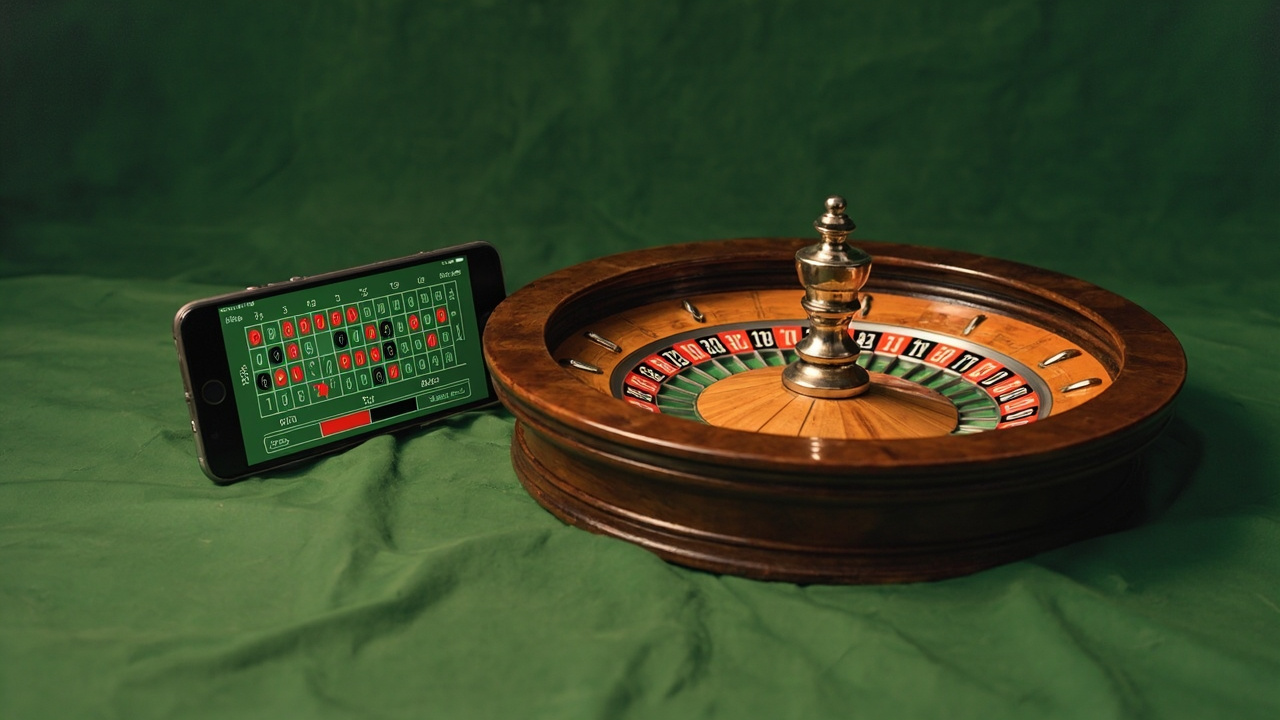
Spinning cluster pays pokies during your arvo commute is one thing; working out what the return-to-player percentage really means on a smaller screen is another. Mobile play has reshaped how we judge volatility, bonus pacing and game mathematics, and the numbers behind a cluster pays title behave a little differently from a standard payline pokie. Here are the questions worth weighing before you tap deposit at plinkomachineau.com or anywhere similar.
How does cluster pays RTP actually behave on a phone?
RTP on cluster pays pokies isn’t a fixed magic number – it’s a long-run theoretical return tested across millions of spins, and the way those wins form on a 6×6 or 7×7 grid changes how it feels on smaller devices. When adjacent matching symbols land, disappear and trigger cascades, the hit frequency reads as much higher than on a 25-payline game, even when the headline RTP sits in the 94-96% bracket typical of providers like Pragmatic Play, ELK Studios and Hacksaw Gaming. A desktop session lets you stare at the maths for an hour; mobile sessions are usually snack-sized, perhaps a few dozen spins between meetings or while you’re waiting for a coffee order in Hobart’s CBD. Both are valid sample sizes, but neither tells you much on its own about the long-run percentage. Screen size also matters for reading the maths. Cluster grids frequently bury feature buy costs and bonus frequency stats behind a hamburger menu, and if the mobile UI tucks them out of reach, you’ll never see what a bonus round actually costs before committing real AUD. From a platform-content perspective, I’d argue mobile-first developers should surface that data in a single tap, not three – and if a site doesn’t, that’s a telling signal about who built it.
What should you check before loading a cluster pays title on mobile?
Before you load any cluster pays title on mobile, run through a few decision points – they’ll save you from a frustrating session on patchy 4G between Hobart suburbs. Browser versus app comes first. A well-built instant-play browser site lets you skip a 200MB app download while keeping the same grid animations smooth, which matters when your phone is already busy as with cached videos and Spotify playlists. Lobby navigation is next. A purpose-built mobile casino should let you filter by mechanic – cluster pays, megaways, classic – in two taps. If you’re pinching and zooming through a lazy desktop resize, the operator hasn’t invested in mobile UX, and that signal usually carries through the rest of the product – payment flows, withdrawal screens, even bonus redemption tend to follow the same shortcut. Payment flow matters too: PayID, POLi and AUD deposits shouldn’t bounce you to a separate banking tab that breaks the session, because nothing kills a momentum run like losing a cascade feature mid-spin. Finally, demo access – any fair operator lets you test cluster pays titles before wagering real AUD, and the demo button should sit above the fold. Compare that against the points below.
| Mobile check | What good looks like | Red flag |
|---|---|---|
| Browser vs app | No download, fast boot | 200MB+ app, slow load |
| Lobby filter | 2-tap cluster pays filter | Desktop tiles shrunken |
| Payments | PayID/POLi in-session | External banking redirect |
| Demo access | Above the fold | Hidden in settings |
| Performance | Smooth on 5-year-old phones | Lag on mid-range Android |
Which mobile features actually shift cluster pays RTP perception?
Some features look flashy in marketing but do little for the underlying maths, while quiet technical decisions genuinely shift how RTP reads on a phone. Screen orientation matters more than people reckon. Most cluster pays grids are designed for portrait, but providers like ELK and Reel Play build landscape variants that give you a wider cluster view – if a mobile site forces portrait-only on a tablet, you’re losing visual cluster information that helps you read near-misses. Touch responsiveness is another. A laggy grid means cascades resolve slower, which compresses the perceived hit rate and makes a 96% RTP feel stingier than it actually plays. From an audience-development angle, I judge an operator by how cleanly their cluster pays catalogue performs on a five-year-old handset – if they optimise for the latest iPhone only, they’ve ignored roughly 40% of their potential Australian user base. Performance budgets (frame rate, memory use, battery draw) are the unglamorous details that decide whether a session ends in five minutes or runs for two arvos straight. Bonus triggers also matter: feature buy buttons should display the cost in AUD alongside the theoretical RTP uplift, and that number should be live, not cached. Without those guardrails, mobile players are flying blind on the very metric that defines the game. A responsible operator will also surface session reminders, deposit caps and loss limits without burying them three menus deep.
Cluster pays RTP on a phone comes down to two questions: does the operator show you the maths honestly, and does the mobile build let you engage with the grid without friction? If both check out, you’re playing the same long-run numbers as anyone else, just from a Hobart café or a Sydney tram. For a proper walkthrough of the wager side, the cluster pays betting guide breaks down the steps from an Australian player’s perspective.